Crash Casino Games in the UK: How They Work
 Available in GB
The guide separates game formats from claims about online play, randomness, bonuses, demo access and payment options.

Table of Contents
- A Crash Game in the Casino’s Wider Menagerie
- The UK’s Two Casino Worlds
- Online Play, and the Limits of What Is Known
- What “Best” Can Mean Without a Top-Ten List
- Bonuses in the 2026 UK Market
- Real-Money Play and the Casino’s Edge
- Providers, Randomness and the Limits of a Fairness Claim
- Crypto Payments on Alternative Platforms
- Demo Play: A Search the Evidence Cannot Settle
- How Casino Play Works—and What It Cannot Explain
A Crash Game in the Casino’s Wider Menagerie
A casino is less a single kind of game than a collection of arrangements. Some are organised around a computer selecting outcomes; others take the form of machines used individually, or tables where a dealer conducts play. The label crash game sits among these familiar categories, but a name alone does not settle where a particular game belongs. It signals a kind of title, not a complete description of its machinery.
That distinction matters because casinos have never been defined by one style of play. Their rooms, screens and rules gather different ways of making uncertainty legible. A player may watch a machine, follow a dealer’s procedure or encounter an outcome generated by gaming equipment. The setting changes; so does the role played by people and technology.
Three broad ways casino play is arranged
Random-number games use numbers selected by a computer or other gaming equipment. The essential feature is not the appearance of the game but the means by which an outcome is produced. A display could be ornate or spare, the play could look familiar or novel: what places a game in this broad category is its reliance on generated numbers. The category describes a process, not a visual style.
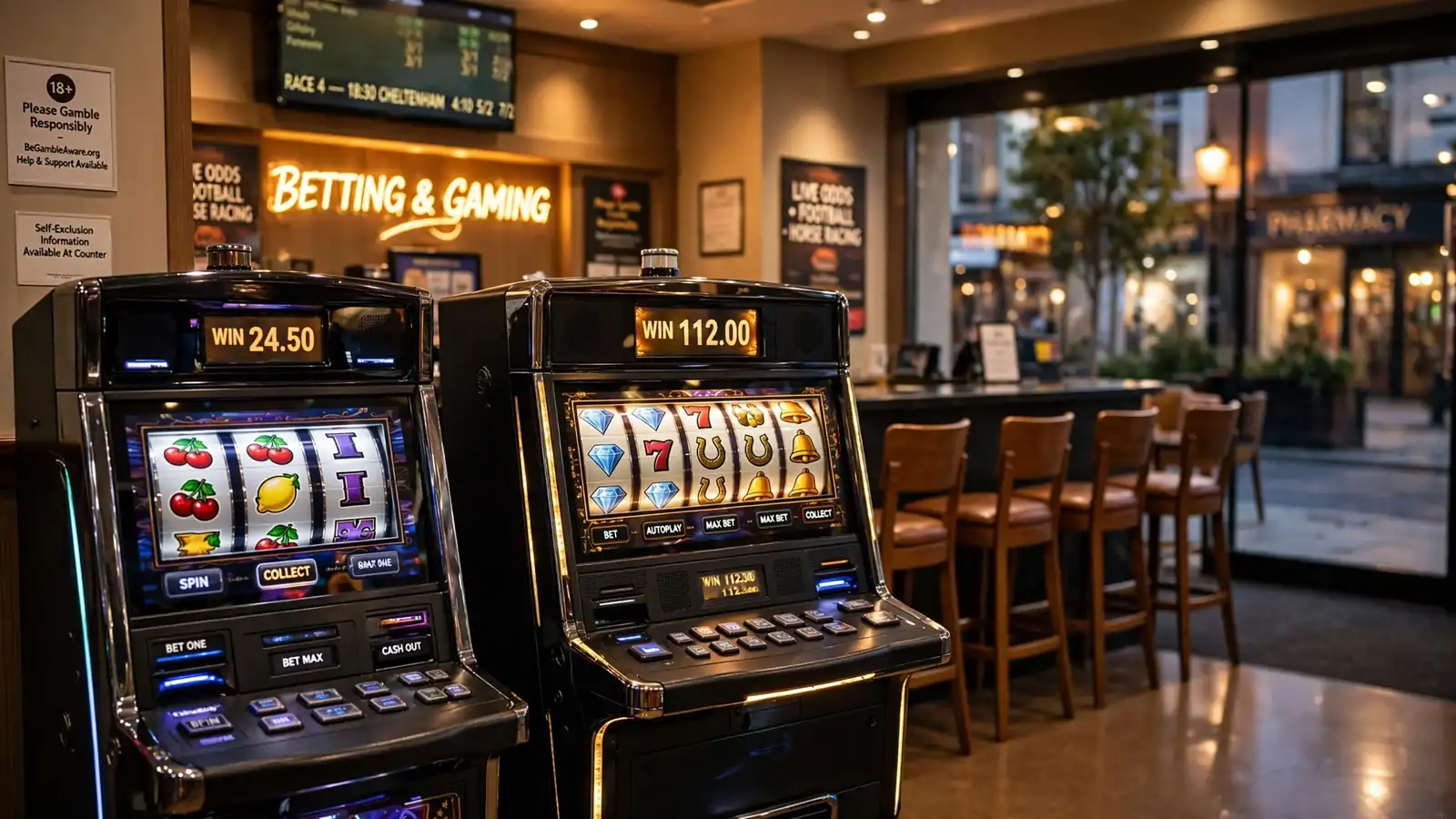
Gambling machines have a different practical character. They are generally played by one person at a time, without a casino employee needing to take part. That gives machine play a certain privacy: the action can be conducted without a dealer announcing each stage or managing a shared table. Yet “machine” does not explain every detail of how a game produces its outcome. Some machines may use random-number systems, but the terms describe different things: one concerns the equipment and the play arrangement; the other concerns how outcomes are selected.
Table games make human procedure more visible. Players compete against the casino rather than against one another, and a croupier or dealer usually conducts the game. The dealer’s presence gives proceedings a public shape. Rules are enacted in front of the table, with a person overseeing the sequence rather than leaving the machine to stand alone. That does not make the outcome less uncertain; it makes the conduct of play more visibly social.
Crazy Time Live Casino Game Show in the UK
These distinctions are useful, but they are not a filing cabinet with every game already in its proper drawer. A game may involve digital equipment without being a gambling machine in the everyday sense. It may use generated outcomes without resembling the familiar random-number games people picture first. A dealer-led table, meanwhile, is defined partly by its social arrangement, not simply by whether technology is somewhere in the background.
Crash casino games should be approached with the same care. The phrase identifies a recognisable family of casino titles, but it does not, by itself, establish the technical process behind any particular game or show that all such titles work alike. Nor does the name prove that a game shares every feature of a random-number game, a machine or a dealer-led table. Categories help orient the reader; they cannot substitute for a description of the individual game.
This is why the question of where casino crash games fit is more useful than trying to force them into a single inherited box. A casino’s broad categories tell something about how play is organised: whether equipment selects outcomes, whether a machine is played individually, or whether a dealer conducts proceedings between player and house. They do not automatically explain the rules or mechanics of every newer title that appears beside older forms of play.
Casino Dice Games in the UK: Odds and House Edge
The wider menagerie also shows how casinos absorb different ideas of participation. At a table, the dealer and the other people present can make the game feel like a shared event, even though players are not competing against one another. At a machine, the encounter is usually more solitary. In a computer-generated game, the central operation may be less visible still: the equipment selects numbers, while the player sees only what the game presents.
None of these arrangements is a measure of seriousness or sophistication. A traditional table is not more legitimate as a game merely because a human dealer is present, and a digital interface does not reveal how its outcomes are generated. Appearance is a poor guide to structure. The casino has always been adept at dressing uncertainty in different clothes.
So “crash game” is best treated as a starting label, not a full taxonomy. It places a title in a recognisable part of casino culture, while leaving the more precise questions to the rules and workings of that specific game. In a landscape of tables, machines and computer-generated outcomes, that modest distinction is useful. The name is not the mechanism.
Top online casinos in the UK
- SlotoSportBonus: 500% up to £ 10 200+ 777 FS · Payout speed: 1-3 business days
- x3betBonus: Welcome Pack 100% Up to £1.000 + 200 Free Spins · Payout speed: 1-3 business days
- DieselwinBonus: Welcome Pack 250% up to £4000 + 200 FS · Payout speed: 1-3 business days
- WinBeastBonus: €5000 + 500 FS + €650 Freebet · Payout speed: 1-3 business days
- JetsetspinsBonus: 200% Bonus + 100 Free Spins + Free Royal Wheel · Payout speed: 1-3 business days
- SpinFormulaBonus: 550% Up To £15,000 + 550 FS · Payout speed: 1-3 business days
- NightLuckBonus: Welcome Pack + 805% Up To 6400€ + 280 FS · Payout speed: 1-3 business days
- ChanzeBonus: Slots Welcome Bonus #1 200% up to €500 · Payout speed: 1-3 business days
- ZombillionBonus: Welcome Pack 250% up to £4000 + 200 FS · Payout speed: 1-3 business days
The UK’s Two Casino Worlds
A specialist review portrays the 2026 online casino market as divided between the UKGC-regulated space and offshore platforms that sit outside it. That description captures a visible boundary, though it should not be mistaken for two equivalent forms of regulation. One side is the system that governs legal remote gambling in Great Britain; the other consists of operators that may accept UK players without holding a UKGC licence.
Live Casino UK: A Guide to Tables, Rules and Offers
For real-money gambling offered to customers in England, Scotland and Wales, a UKGC licence is required. The rule attaches to the activity of serving those markets, not merely to the operator’s address. A business based abroad does not step outside the requirement by keeping its offices elsewhere. The licence is the point at which the operator falls within the domestic regulatory framework.
That distinction matters when a search for crash casinos UK turns up platforms with different legal positions. A casino may be reachable from Britain, display games to British visitors and accept their custom, yet still operate outside the UKGC system. Accessibility and licensing are not synonyms. The internet has always been rather good at making distance look administratively unimportant.
A boundary, not a stylistic difference
A UKGC-regulated operator is subject to the rules and oversight attached to its licence. An offshore casino that accepts UK players but lacks that licence is not another flavour of UK-licensed business. It is outside the same regulatory relationship. The words “offshore” and “non-GamStop” are often used in public discussion of such sites, but neither label turns an operator into a UKGC licensee.
Mines casino game UK: wagers, demos and real-money play
The difference is not settled by the appearance of a site or by the name of a game. A page featuring crash games can look familiar whether it belongs to a UKGC-regulated casino or a platform operating from outside that system. A polished interface, recognisable payment symbols or a catalogue of online games says little by itself about the operator’s licensing status. The relevant question is who is offering the gambling and under which regulatory authority.
This is why “crash casino sites” is not, in itself, a meaningful regulatory category. The phrase describes a kind of place where a game may be found, not the legal status of the business behind it. The same applies to searches for casinos offering crash games: the game category does not supply the licence. A casino’s position has to be understood separately from its entertainment menu.
What “accepting UK players” does—and does not—mean
Offshore platforms do accept UK players. That practical fact can make the market seem more permissive than its legal framework is. A site’s willingness to take a British customer does not establish that it holds the licence required to serve the regulated market. Nor does availability make the operator part of the UKGC system.
The wording can be slippery. “International”, “foreign” or “non-GamStop” may describe how a platform presents itself, but those terms are not substitutes for a UKGC licence. Some platforms may hold authorisation elsewhere; that does not make them licensed by the UK regulator. A licence from another jurisdiction and a UKGC licence are different things, and the former does not erase the distinction.
Licensing Risk
A site’s willingness to accept UK players does not mean it holds the required UKGC licence to serve the regulated market.
For readers comparing crash-game casinos, this means that the word “UK” in a page title or site description cannot settle the question. It may refer to the players being sought, the currency or the market being discussed. It does not, on its own, prove that the operator is licensed to offer real-money gambling in Great Britain. A label is not a regulator.
The divide also explains why broad recommendations such as “choose a UK casino” are too imprecise to be useful. The phrase could mean a business physically based in the country, a site aimed at British customers, or an operator licensed by the UKGC. Only the last identifies the regulatory relationship at issue here. Geography, audience and licence are separate matters, though advertising language often lets them drift together.
Crash casino sites UK may therefore belong to different regulatory worlds even when they appear in the same set of results. The boundary is not a verdict on the quality of a particular game, and it does not tell anyone how a crash game works. It identifies which operators are within the UKGC framework and which are not. That is a narrower distinction than a ranking, but a more consequential one.
The UK market can look like one shelf of similar websites; legally, it is not. The UKGC side is the licensed system for operators serving Great Britain. Offshore casinos that accept UK players remain outside it. The distinction begins with the operator, not the game, and the two categories should not be folded into one simply because both can be reached online. A line on a map, perhaps. A line in regulation, certainly.
Chicken Road Game Casino UK: Format and Availability
Online Play, and the Limits of What Is Known
Moving casino play online changes its setting, not automatically its substance. Casino games are available through online casinos where the law permits them, placing a familiar category of gambling within a digital service rather than a physical venue. That broad fact is not a description of every title a platform might carry. Nor does the label “online crash game” settle what a particular game contains.
The distinction matters because a name can suggest more certainty than it deserves. “Crash” may lead people to imagine a rising figure, a moment of failure and a choice about when to stop. But a general description of casino games online cannot establish that this is how any specific crash title works. It does not tell whether the presentation is animated, what choices are offered, or how an outcome is determined. Those are properties of an individual game, not consequences of its being online.
A casino website or app is best understood as a setting in which games may be made available, subject to the law governing that service. The screen brings the game to the player; it does not, by itself, explain the game. A digital table and a digital machine may both be presented through the same broad kind of service, yet the shared setting does not make their rules identical. The same caution applies to crash games: online access is a category of availability, not a rulebook.
This is an old distinction dressed in newer clothes. Gambling has always depended on arrangements that make an uncertain outcome legible to participants: a table, a machine, a marked card, a set of rules. Online, the arrangement is mediated by software and a screen. That mediation can make the experience feel self-contained, as though the game begins and ends inside the device. In reality, the screen is a point of access to a service, while the meaning of any particular game still depends on its own terms and design.
JetX Casino Game in the UK: A Guide
The convenience of a digital setting can also blur different questions. Whether a casino game can be accessed online is one question. Whether a particular crash game is offered by a particular casino is another. How that game operates is a third. None follows automatically from the answer to the first. The broad availability of casino games online cannot be stretched into evidence about a specific title, its features or its rules.
That restraint is especially useful when the title itself appears to tell a story. A plane, a curve or a sudden stop may shape expectations, but imagery is not an explanation. The phrase “plane crash game” can evoke a recognisable visual theme; it cannot establish the sequence of play or the conditions attached to an outcome. An interface may invite interpretation. It is not a substitute for the game’s own description.
Online casino play therefore has two layers: the general fact of access through a digital casino, and the particular character of each game offered there. The first can be stated plainly. The second requires details tied to the actual title and its presentation. Treating those layers as interchangeable turns a broad category into an unwarranted promise.
The internet makes casino games reachable in places where that form of gambling is permitted. It does not make every game available everywhere, and it does not make every game with a similar name work in the same way. A careful account of crash play online begins with that boundary: the setting is real; assumptions about an individual game are another matter.
Live Baccarat Online Casinos in the UK: What to Know
What “Best” Can Mean Without a Top-Ten List
“Best” sounds like a verdict, but in casino play it often conceals several different questions. A player may mean the game that feels most absorbing, the one that appears easiest to understand, or the one associated with the prospect of a quick gain. Those are not interchangeable measures, and none by itself establishes that a game is objectively superior.
That distinction matters when a crash title is called the best crash casino game. The phrase can describe a preference, but it cannot do the work of evidence. A ranking would need a consistent basis for comparison: the same criteria applied across games, with enough information to support the result. Without that, a numbered table would lend the appearance of precision to a judgement that is really personal. Neat columns do not make a conclusion sound.
The same caution applies to labels such as “crash slot” or “slot crash game”. They can suggest a family resemblance, but a familiar word is not a rulebook. The label alone does not establish how a particular title operates, what choices it offers, or how its results are determined. Treating it as a complete description risks confusing a category name with an explanation.
A more useful sense of “best” is therefore conditional. A game might be best for someone who values one quality and unappealing to someone who values another. Yet even that modest judgement needs details about the particular game and the player’s priorities. A confident recommendation cannot be assembled from a title alone, and the available general facts about casino play do not distinguish one crash game from another.
Fast payout online casinos in the UK: what counts?
The phrase “best crash casino UK” adds a market label, not a measure of quality. Likewise, a search for a BTC casino crash combines a payment preference with a game preference; it does not show that a particular title is better, or that its results are more favourable. The two ideas may sit next to each other in a person’s plans, but they answer different questions. One concerns how a platform may be funded; the other concerns what makes a game desirable. Neither supplies evidence for a ranking.
There is also a difference between being enjoyable and being financially favourable. Casino games can give players the possibility of short-term gains, while typically retaining a predictable long-term advantage for the casino. Those statements can both be true. A brief winning run may feel like proof of a sound choice, but it does not overturn the longer-term structure. Nor does the possibility of a gain make a game “best” in any dependable sense.
This is where the idea of a “best crash slot” becomes particularly slippery. The word “slot” may evoke a familiar kind of casino product, but it cannot establish that every game carrying a crash label shares the same features or offers the same experience. A person comparing titles would need reliable, title-specific information; a broad label cannot substitute for it. There is no honest shortcut from a name to a verdict.
Rules are a separate matter. A request for crash casino game rules is not answered by a popularity claim, a promotional description or a ranking. Rules explain how a particular game is presented and played; “best” expresses a judgement about its value or appeal. Blending those questions can make an opinion sound like instruction, especially where the game’s details are not set out.
Fast Payout Online Casinos in the UK: What the Claim Means
So “best” can still be meaningful, but only as a question tied to stated priorities and dependable information about the individual game. Without both, it is a promise of certainty where there is only preference. A top-ten list might look decisive. It would not make it so.
Bonuses in the 2026 UK Market
For a crash game offered by a casino, the bonus is a separate matter from the game itself. Its headline value may catch the eye; the conditions determine what that value means. In the UK, the rules described for 2026 put two particular boundaries around gambling incentives: how much wagering can be required and which gambling products an offer can cover.
A specialist review of the 2026 changes reports that, from 19 January, wagering requirements attached to bonus funds cannot exceed 10 times the bonus amount. The arithmetic is plain, even if the terms around it may not be: a £20 bonus with a 10x requirement calls for £200 in total stakes before the bonus can be released for withdrawal. That is a requirement to place bets, not a promise of winnings. The balance can be lost along the way.
The cap gives a clear outer limit, not a guarantee that every offer is generous or easy to use. Terms still matter: what counts towards wagering, which games qualify, whether winnings are restricted, and when an offer expires. The terms of an incentive must be displayed clearly and fairly. A low multiplier cannot make an unclear condition clear.
Wagering Limit
From 19 January, wagering requirements attached to bonus funds cannot exceed 10 times the bonus amount.
The second boundary concerns product mixing. A specialist review of the changes says one incentive cannot require play across different kinds of gambling, such as casino games and sports betting, to unlock a reward. A casino promotion therefore cannot make its value conditional on placing bets in another product category. The distinction is practical: the reward should relate to the gambling product the offer covers, rather than turning a casino bonus into a bundle of unrelated obligations.
This matters when a casino advertises several products under one roof. Separate offers may still exist, but a single incentive cannot tie its release to activity across casino and betting products. The line is between a collection of promotions and one reward whose conditions cross product boundaries.
A bonus should also be read as conditional funds, not cash already in a player’s account. A no-deposit bonus, by definition, does not require an initial spend to receive it; that does not remove its terms. Eligibility and the conditions for withdrawing any resulting balance remain relevant. Offers are for people aged 18 or over who are UK residents, and operators must verify age before allowing a deposit.
For crash casino play in the UK, these incentive rules do not tell anything about the game’s mechanics or its likely result. They concern the offer attached to play. The distinction is worth keeping: the game supplies the wager; the promotion supplies another set of conditions. Neither makes the other disappear.
Real-Money Play and the Casino’s Edge
When cash is at stake, a casino game is no longer merely a way to pass time. It becomes a small wager on uncertainty: money is committed to possible outcomes, and the result may return more, less or nothing. The same broad description applies to crash games played for real money, without settling how any particular title handles stakes, payouts or results.
That distinction matters. The label “real money” says something about what is being risked; it does not, by itself, explain the game’s rules or establish what a player can expect to receive. Nor does the appearance of a rising figure or a sudden finish, wherever such features occur, tell a player whether a particular game is fair or how its outcomes are generated. Those are separate questions.
Casino play has a familiar economic shape. Across games, the house generally has a predictable advantage over the long term, while individual players can still make short-term gains. The two statements are not contradictory. A run of favourable outcomes can put a player ahead; it does not erase the structural advantage that operates across repeated play.
The difference is one of scale and time. A single result is uncertain, and a short spell of play may produce an outcome that runs against the casino’s broader advantage. Over continued play, however, the casino’s position is designed to be more dependable than any one player’s result. This is why a win is not evidence that the game has become favourable, just as a loss does not prove that a later result must compensate for it. Chance has no obligation to keep accounts.
Crash-game strategy is often discussed as if a method could turn uncertainty into dependable income. A plan may shape how someone chooses to stake or when to stop, but those choices alone do not establish the odds or change the underlying design of a game. Without knowing the rules and mechanics of a specific title, claims about a winning strategy would be guesswork dressed as instruction.
The same restraint applies to whether a crash game is fair. A game’s real-money status cannot answer that question. Fairness depends on matters beyond the fact that money is wagered, and the general casino advantage is not, on its own, proof of unfairness. It describes the house’s long-run position, not the result of each round.
Free play and cash play also should not be treated as interchangeable experiences. A no-cost version, where one is offered, would not place the same money at risk as a real-money game; its availability or operation cannot be inferred from the existence of paid play. The distinction is plain. The consequences are not.
Providers, Randomness and the Limits of a Fairness Claim
A game provider is the company associated with making or supplying a casino game. That label can help identify who is behind a title, but it does not, by itself, explain how its outcomes are produced or establish that a particular game has been independently checked. The name on a game is not a fairness certificate.
In casino play, random-number games use selected numbers generated by a computer or other gaming equipment. This describes a broad way of producing outcomes, not a complete account of every game’s design. Nor does it show that every crash title uses the same process. A general statement about random numbers cannot settle the workings of an individual game.
“Provably fair” is a more specific claim than “random”. It suggests that a player can check something about the fairness of a particular game’s outcomes, rather than simply relying on the provider’s description. But the phrase has little practical meaning without clear information about what is checked, how the check works and what its result demonstrates. A label alone answers none of those questions.
Mr Play Casino Games: Slots & Table Providers in the UK
That distinction matters when evaluating claims about a provably fair crash casino game. The word “provably” may sound like a completed argument; it is not a substitute for one. A claim needs an intelligible basis, and the basis must relate to the game in question. General knowledge that casino games can use computer-generated random numbers cannot verify a specific crash game, its provider or its outcome process.
Provider attribution and fairness evidence therefore belong in separate boxes. Knowing who supplies a game may be useful context. Knowing that random-number systems exist in casino gaming is useful context too. Neither establishes that a particular crash game is provably fair. The distinction is modest, but important: an explanation of a category is not an examination of a title.
Crypto Payments on Alternative Platforms
Interest in a crypto casino offering crash games often begins with the payment menu rather than the game itself. A specialist review of alternative platforms reported that some accept Bitcoin, Ethereum and Litecoin alongside conventional cards and e-wallets. That is a description of certain platforms, not a promise that every site supports every currency or payment route.
The distinction matters because a payment method is part of the platform’s terms, not a universal feature of crash play. The presence of a cryptocurrency logo does not establish how deposits are processed, whether withdrawals use the same route, or what conditions apply. Those details belong to the individual operator’s published payment rules.
For British players, “cards” also needs careful reading. UKGC-licensed casinos cannot accept credit cards for gambling, including credit-card funding routed through a money service business. A list that says “cards” without specifying the type can therefore leave an important question unanswered. E-wallets have their own restriction: licensed operators cannot accept wallet payments where the wallet permits credit-card funds to be used for gambling.
Crypto and conventional payments sit together in some descriptions of alternative platforms, but they are not interchangeable in practical or regulatory terms. Those are operator-specific details, and a payment page should say what applies before funds are sent.
This is where the appeal of a crypto crash casino can become less about novelty than about the route money takes. Digital currencies add a payment option; they do not, by themselves, tell anything about the quality of a game, the operator’s standing, or the protections available. A deposit method is not a character reference.
Demo Play: A Search the Evidence Cannot Settle
A casino game being available online and being available to try without a stake are separate matters. Online casinos offer casino games where permitted by law, but that broad fact does not establish that a particular crash game has a demo version. Nor does it explain what such a version would show, how it would behave or whether it would differ from play involving money.
The distinction matters because “demo” can sound like a neutral preview: the same game, simply without the financial consequence. That may be what a player hopes to find, but the label alone cannot confirm that a specific offering exists or that its operation mirrors real-money play. A crash-themed title appearing in an online casino would settle only the question of its availability there, not the separate question of a free-to-play mode.
The same caution applies to searches for a crash slot demo. The word “slot” may be used loosely in everyday descriptions, but it does not establish the rules or format of a crash game. Categories have a way of being flattened by menus and marketing language; the distinction returns when someone needs to know what is actually being offered.
A demo, where one exists, should therefore be treated as a distinct feature rather than an automatic part of online access. Its presence, terms and relationship to the money-based version would need to be stated by the operator. Without that, neither a listing nor a familiar-sounding label answers the practical question.
The useful boundary is simple: an online casino may provide games, but that does not mean every game can be played for free first. The two forms of access should not be mistaken for one another.
How Casino Play Works—and What It Cannot Explain
At its simplest, casino play is an exchange of risk for a possible result. A player stakes cash or chips on an outcome, or on a combination of outcomes; the game then determines whether that stake produces a return. The details vary, but the underlying arrangement is old: uncertainty is made legible enough to wager on, and the rules decide what counts as a result.
That outline helps explain the broad meaning of playing a casino game, but it does not supply a set of instructions for every title. To play a particular game, its rules must establish what the player chooses or does, what ends a round, and how a result affects the stake. Those details belong to the game itself, not to the general idea of gambling.
The distinction matters for crash games. The name alone does not tell how a round is started, what decisions are available, or how a payout is calculated. A general description of casino play cannot settle those questions without turning an assumption into a rule. It can only provide the frame: a stake is exposed to an uncertain outcome under conditions defined by the game.
There is a small social history in that frame. Casinos turn chance into a formal transaction, with rules that make risk countable and outcomes consequential. The players bring the stake; the game supplies the terms. That is the broad structure—not a manual for a specific crash title. A name is not a rulebook.
Created by the ”mr Play” editorial team.